Brendan Burns, “Designing Distributed Systems”
What is a distributed system? | Atlassian
Centralized Systems & Distributed Systems
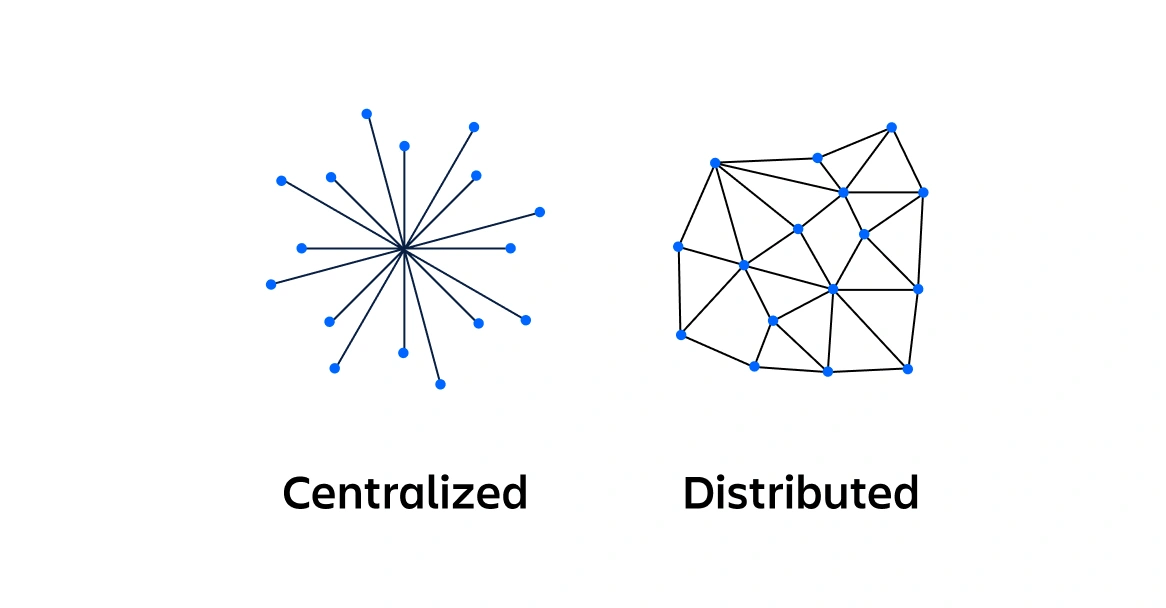
Centralized Systems
A centralized system is one in which all the components or processes rely on a single central node or server to perform tasks and manage resources.
Distributed Systems
A distributed system consists of multiple independent nodes (servers, devices, or processes) that work together to achieve a common goal. These nodes communicate over a network and share resources.
Comparison
| Feature | Centralized System | Distributed System |
|---|---|---|
| Control | Single point of control | Decentralized control |
| Scalability | Limited | High |
| Fault Tolerance | Low (single point of failure) | High (redundant nodes) |
| Complexity | Simple | Complex |
| Performance | Degrades with high load | Better performance with load sharing |
| Examples | Traditional file servers, ERP systems | Cloud services, Blockchain, CDNs |
Distributed Systems & Microservices
Microservices
Microservices are an architectural and organizational approach to software development where software is composed of small independent services that communicate over well-defined APIs. These services are owned by small, self-contained teams.
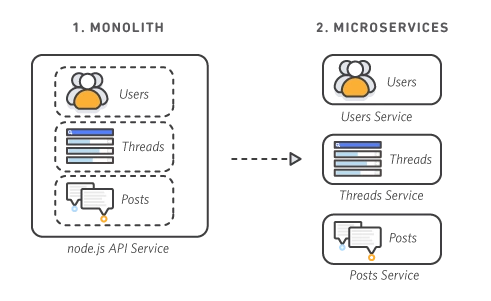
- Microservices are a subset of distributed systems. They use distributed principles but apply them specifically to software architecture for building modular, scalable, and maintainable applications.
- Distributed systems focus on system-level challenges, while microservices address application-level design challenges.